Therapies for Childhood Trauma in Dubai Expats
What is Trauma?
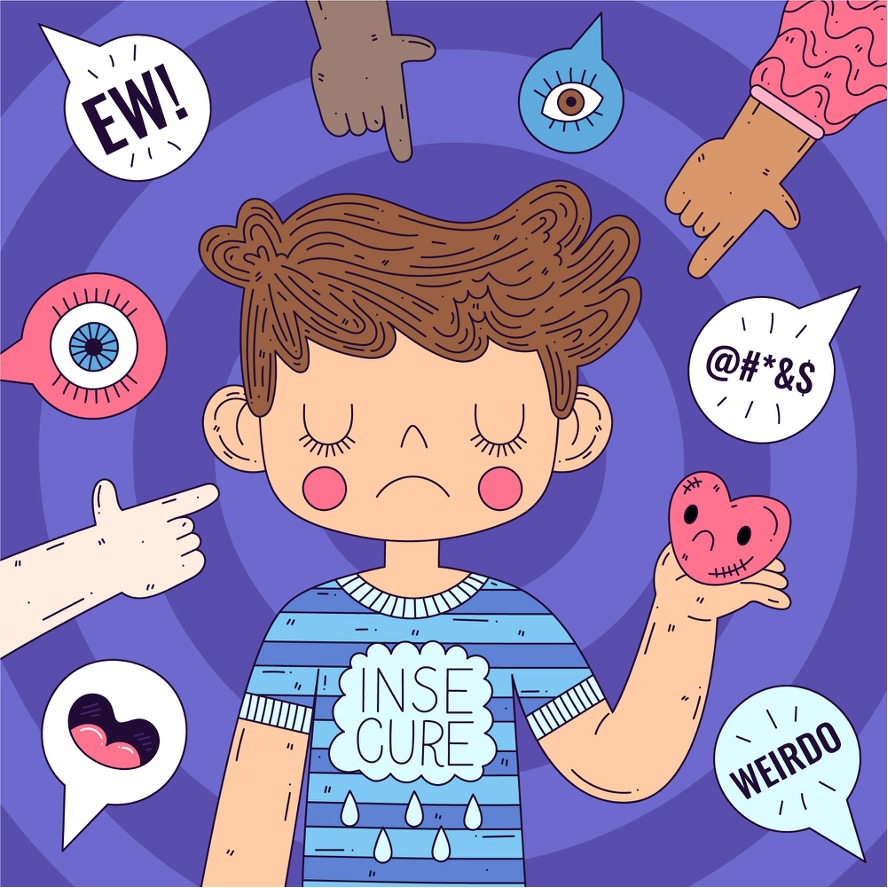
Trauma isn’t solely about dramatic events, such as wars or accidents. Any childhood or adult life experience can be considered trauma if it has influenced our lives, worldview, relationships, sense of self, identity, or worth.
Do I have Childhood Trauma?
You might say, “I don’t think I have experienced trauma,” or “My current health symptoms are not related to my past.” For many, as they grow into adulthood, they lose the emotional significance of their childhood experiences. People often underestimate the emotional and physical impact this has on their present life. This disconnection grows over time, but what also increases is the feeling of not being connected to their true Self.
What constitutes Childhood Trauma?
Understanding childhood trauma goes beyond neglect and abuse. The way attachment is provided, and whether it meets the child’s needs, can also cause a child to disown their true self. Receiving care in frightening, unpredictable, or anxious ways all influence the child’s development. Many childhood traumas are attachment injuries that create lifelong confusion, disillusionment, a lack of sense of self, and mistrust in the world and others.
What makes Childhood Trauma different from post-traumatic stress disorder (PTSD)?
Attachment injuries are stored in more complex layers compared to PTSD symptoms. These layers reside around the deep shame, fear, and isolation. Many individuals show paradoxical internal conflicts, such as trusting others yet also not trusting; desiring connection yet also wishing to distance; wanting to socialise yet also avoiding interactions. Discerning whether others are safe or not becomes more difficult, and safety and control are often maintained through excessive reliance on fear-based defences.
What are the symptoms that one may show because of Childhood Trauma?
Childhood trauma is a relational injury, which means symptoms often appear as ruptures in relationships with others, but also within ourselves. The struggles with emotional intimacy (either craving too much or having too little), trust (either trusting or not trusting), and seeking connection while also distancing from others. This frequently manifests as anxiety, depression, and fears.
Are self-harm and destructive behaviours a result of trauma?
Often, yes. Self-harm and many other risky behaviours, such as addictions, gambling, video gaming, scrolling social media, binge eating, and so on, can be extreme ways of seeking internal relief when feeling dysregulated. These actions have negative impacts on us and others, but sometimes they are seen as the only resource to fight and survive what is otherwise having to be with pain and overwhelm.
Is it possible to heal from Childhood Trauma?
Absolutely achievable! Having worked in the field of trauma and stress for 25 years, I know it’s possible regardless of how severe the trauma was or how long ago the wounds occurred. Healing can also be a gentle, safe, yet effective process and does not require reliving and re-traumatization.
What therapies work best for Childhood Trauma?
The most effective way to heal from Childhood Trauma is to utilise combined approaches of Internal Family Systems (IFS therapy), Somatic therapy, and Eye Movement Desensitisation and Reprocessing Therapy (EMDR). These are powerful therapies, and by applying them creatively and intuitively, the healing potential is maximised.
To learn more about each of these therapies, Click one of the buttons below.
Blog by Dr Millia
Dr Millia is a Consultant Psychiatrist with over 25 years of experience in the field of mental health. She has extensive experience in working with Complex Trauma with Dissociative Disorders and many other emotional, spiritual and unexplained physical health conditions. She is one of the UAE’s most senior EMDR therapists (currently a member of the EMDR International Association) and also a Level 3 Internal Family Systems therapist.